

For most of my life, I didn’t know my dad loved me.
I know now that he did. But I didn’t know it for the first thirty-seven years of my life, I’ve spent a lot of time grieving that gap.
I want to talk about the kind of grief that doesn’t fit neatly into funeral cards and casseroles: the grief for people we lost slowly, who were never quite within reach, or who left before the conversation was done. If you’re carrying that, I hope this post feels like company.
The Grief Before the Grief
My dad was a man with a tough exterior. That armor kept me at an emotional distance and left me feeling judged and alone. (I wrote about that in The Armor We Carry.) We hadn’t been close since I was a pre-teen.
So when we nearly lost him in August 2011, I wasn’t only afraid of losing my dad. I was afraid of losing the chance: the chance to say what had never been said, to hear what I’d always wanted to hear, to be known by him.
This is sometimes called grieving the living. You mourn the relationship you needed and never had, the parent who was physically present but emotionally out of reach, the sibling who drifted, the friend who disappeared. The person is still here, or was, and the loss is real anyway.
It’s confusing grief, because there’s no ritual for it. Nobody brings flowers when someone you love is still alive and unreachable.
A Second Chance We Didn’t Expect
In the hours before my dad was taken off the heart pump, our priest and a family friend prayed over him. I was there. All of us felt a healing presence in that room, and I still point to that moment when people ask how I know there’s a God.
The doctors had told us to say goodbye. Instead, by the grace of God, he walked out of the hospital a week later, and we had another fourteen months.
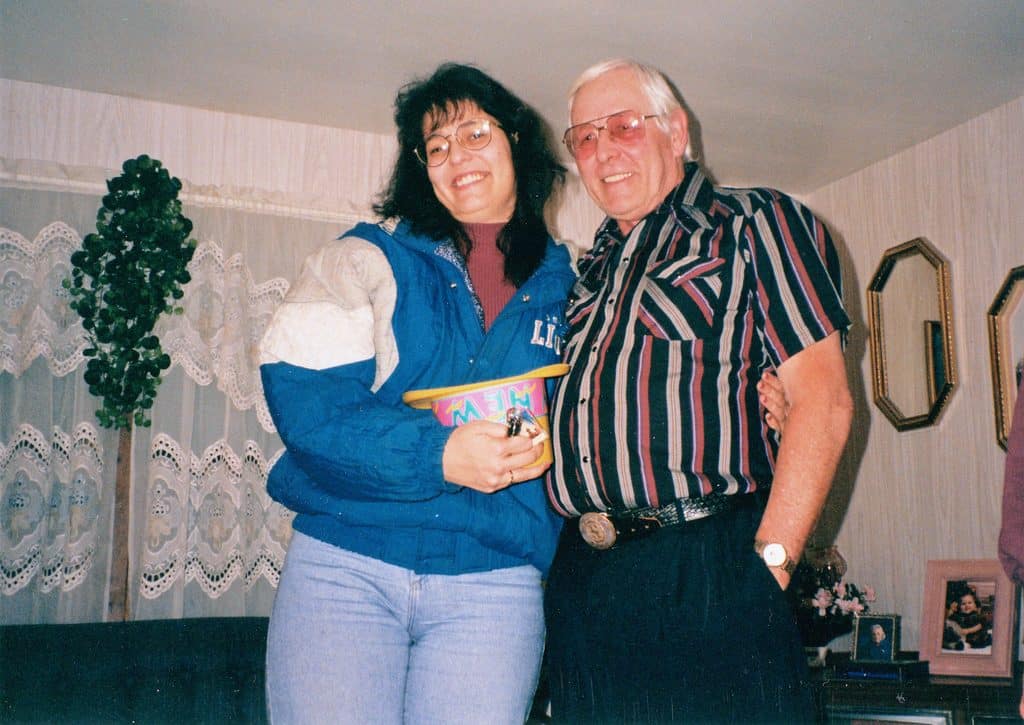
They were hard months. Regular trips to the VA, ambulance rides, and a strong cowboy withering away pound by pound. They were also a gift. For the first time in his life, his guard was down, and I got to meet the man underneath: a deeply wounded, frightened man who pushed everyone away so he couldn’t get hurt.
We talked about being a parent, about what home meant, and about God. We worked through some of the bad memories. We left nothing unsaid and nothing undone.
By the time he died in October 2012, I had accepted my dad exactly as he was and could love him without reservation. And I knew he was proud of me.
You’d think that would make the grief simpler. It didn’t. It made it deeper. Getting close again made losing him so much more painful.
Losing My Brother Twice
After my dad passed, I reached out to my brother Steven.
Steven and I had a rocky, on-again-off-again relationship. He was a lot like our dad, still angry about how Dad had treated him after his parents divorced. We’d get close, and then he’d pull away. After he married his third wife, he disappeared from my life for over twenty years. I sent letters, emails, and phone calls, and none of them were answered.
That’s a loss too, one that happens slowly, with no funeral and no closure.
Then, after Dad died, I emailed Steven, and to my surprise, he wrote back.
We picked up where we’d left off almost twenty years earlier, but this time was different. Steven opened up about why he’d always pulled away. We traded long emails and admitted our fears. We talked about our faith and our children. It didn’t fill the hole my dad left, but it made it more bearable.
I had my big brother back. He was one of the few people who really understood me.
Then, just nine months later, he called from the hospital. He was cheerful and said it wasn’t serious, but something in his voice scared me. What we’d been told was a thyroid goiter turned out to be advanced thyroid cancer.
I canceled a trip to the Kentucky Horse Park and went to see him in Virginia. I knew, every minute of that visit, that it would be the last time I saw him. It was one of the most painful and most precious weekends of my life.
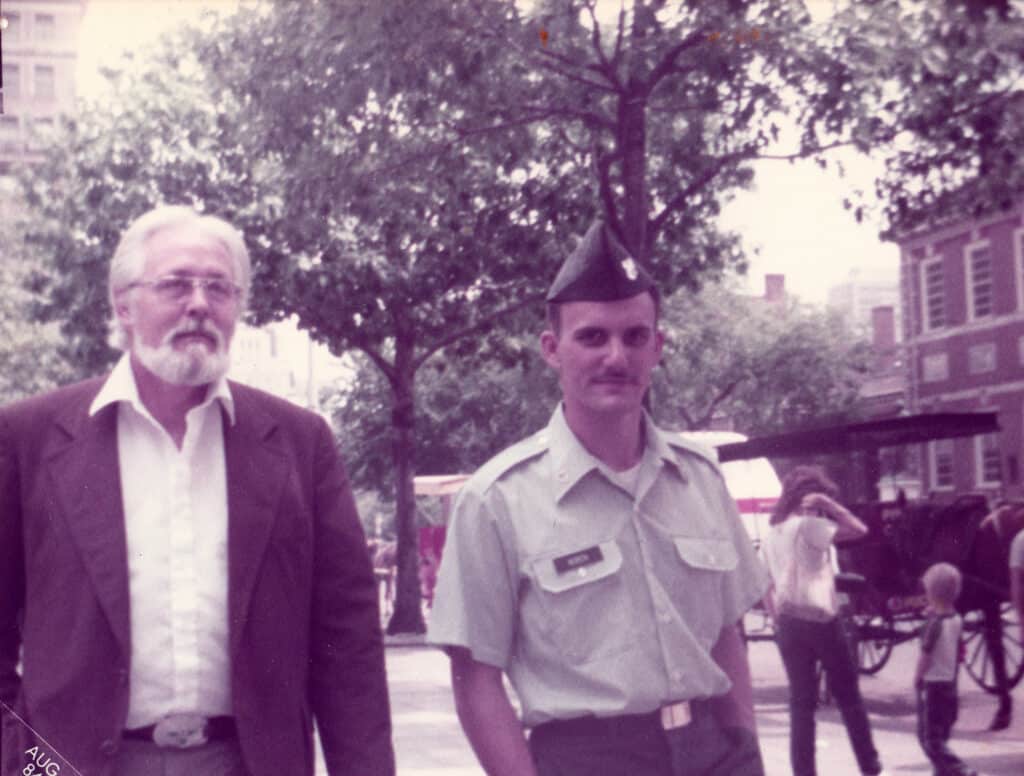
I lost Steven twice: once to twenty years of silence and then to cancer. And in between, we got nine months.
When Grief Stacks Up
I wish I could say these were the only losses. Within a short span, I also lost my horse to a broken leg, leaving her two-month-old foal orphaned. I lost my grandmother to Parkinson’s and couldn’t take time off to attend her funeral. Three weeks after my dad died, we lost one of our dogs to poison.
It was more than I could stand. I’d always been the person others could count on for love and support, and I had nothing left. I pushed everyone away and had a complete breakdown. My daughter and I spent three weeks on the couch with junk food and movies, barely changing clothes or leaving the house.
If you’ve been through a season like that, I want you to know something I wish someone had told me: that wasn’t failure. That was grief. My body and heart were saying this is too much. They weren’t wrong.
What Unfinished Conversations Do to Us
Here’s what I’ve noticed, in my own life and in the women I coach.
Unfinished conversations tend to leave us with:
- Replay. The mind re-runs what we said and what we wish we had said.
- Guilt. I should have called. I should have forgiven sooner. I should have been there.
- Anger. At the person, at ourselves, at God, at the timing.
- Numbness. A flat, protective quiet that arrives when the feelings are too big.
- A longing for permission. We want someone to tell us it’s okay that it’s still not okay.
Each of these is part of how a person grieves. None means something is wrong with you.
Two Kinds of Grief, Two Kinds of Work
| Grieving the Lost | Grieving the Living | |
|---|---|---|
| The loss | A person who has died | A relationship that is distant, strained, or ended |
| What’s missing | Their presence | Their presence and the possibility of repair |
| Common feeling | Sorrow, emptiness | Confusion, resentment, ongoing hope |
| Support from others | Often visible and immediate | Often invisible or minimized |
| The work | Mourning and remembering | Honest acknowledgment, boundaries, and sometimes amends |
Both deserve to be honored. And sometimes, as with my dad and Steven, they happen to the same person.
Six Ways to Navigate Unfinished Conversations
- Name what you’re actually grieving. Is it the person? The relationship you hoped for? The apology you never got? The version of yourself who hadn’t spoken up yet? Specific grief is easier to carry than vague grief.
- Say it anyway. Write the letter you can’t send. Speak out loud to an empty chair, a photo, or a graveside. Pray it. The words matter even if the person never hears them.
- Make amends where you can. In the Level 1 program, a true amends has three parts: acknowledge, apologize, and take action. You may not be able to do this with someone who has died, but you can acknowledge what happened, take responsibility for your part, and commit to a different way of living. I wrote more about this in Amends as an Act of Self-Reconciliation.
- Let people be more than their armor. Understanding my dad’s fear didn’t erase the hurt, but it softened the story I told about him. Compassion doesn’t mean excusing harm. It means seeing the whole person.
- Let your body grieve. Cry. Rest. Walk. Take the three weeks on the couch if you need to, and then ask someone to sit on the couch with you. Grief lives in the body, and it needs somewhere to go.
- Don’t carry it alone. Find a friend, a faith community, or a counselor. If grief ever feels like it’s becoming unbearable, or if you find yourself thinking about harming yourself, please reach out right away to a mental health professional or a crisis line like 988 in the U.S. You deserve support.
What Grief Gave Me
I’m not going to tell you everything happens for a reason. I don’t believe that, and I don’t think it helps to hear it.
But I can tell you what came out of those losses for me.
After a year of watching people I loved get sick and die, my grief turned into something fierce: a determination not to go out the way so many of my relatives had. It became a decision to take better care of my health, to be an example for my daughter, and eventually to change my whole life. You can read more of that story in The Healed Table.
I also learned that the cracks let God in. I don’t say that as a platitude. It’s what I experienced, and it’s one reason I’m able to sit with others in their pain today. (If that resonates, Surrendering Imperfection goes deeper.)
Frequently Asked Questions
What does it mean to grieve the living?
Grieving the living means mourning a relationship or a person who is still alive but emotionally or physically unavailable, such as an estranged sibling, an emotionally distant parent, or a friend who has cut contact. The loss is real even though there’s no funeral.
How do I cope with unfinished conversations after someone dies?
Express what you didn’t get to say through writing a letter, speaking aloud, or praying. Acknowledge your feelings, including guilt and anger, and consider sharing them with a trusted friend, a faith leader, or a counselor.
Is it normal to feel guilt after losing a loved one?
Yes. Guilt is a very common part of grief, especially when there were unresolved conflicts or things left unsaid. Naming it and talking it through can help you separate real responsibility from the “what ifs” that no one could have predicted.
How can I deal with multiple losses at once?
Be gentle with yourself, lower your expectations, and prioritize basics like sleep, food, and connection. Let people support you, and consider professional help if the weight feels too heavy to carry.
How long does grief last?
There is no set timeline. Grief tends to come in waves, and it changes shape over time. Many people find that it softens without ever fully disappearing, becoming part of how they love.
You Don’t Have to Finish It Alone
I think about my dad’s hugs, and about Steven’s long emails, and about the extra time we had to resolve all the open questions. I wish there had been more.
But I’m grateful for the conversations that did happen, and I’ve made peace with the ones that didn’t. I trust that love isn’t limited by the calendar.
If you’re carrying an unfinished conversation, I hope you’ll give it a place to land today. Write the first line. Say the name out loud. Let the tears come.
And if you need someone to sit beside you while you do, you don’t have to do it alone.
Who do you still have something to say to?
If this post spoke to something you’re carrying, start with our free 7-Day Micro-Course. It’s a gentle first step toward healing old stories and finding steady ground. Or explore The Steward Within program to learn how the 13-week Rewrite → Rewire → Retrain method can help you move through grief, honesty, and amends with support.