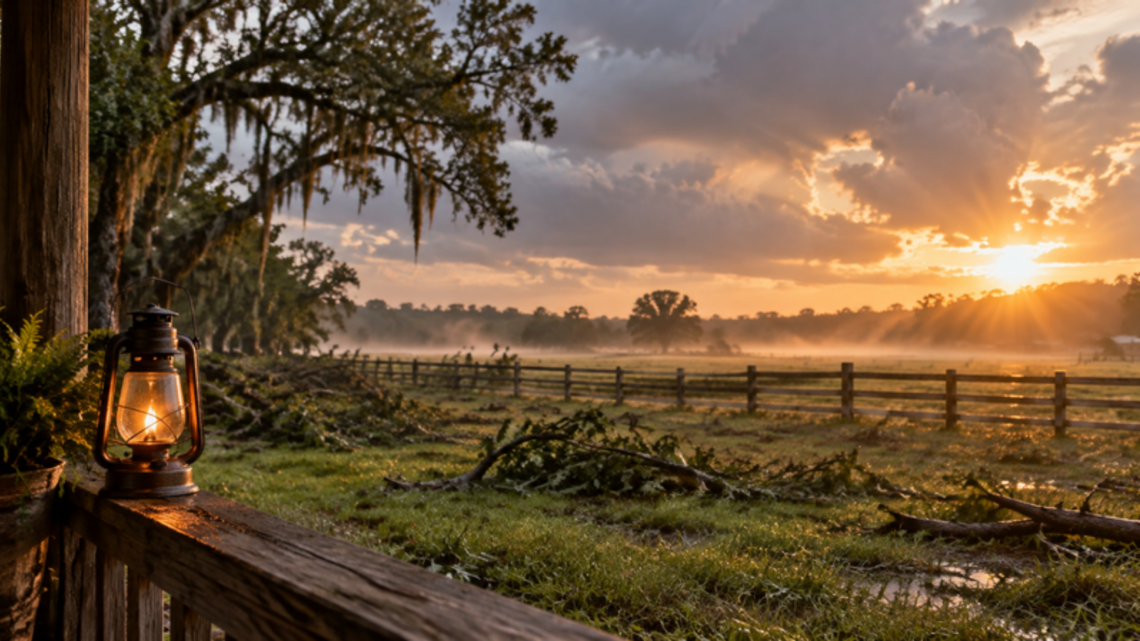
We just went through Hurricane Isaias.
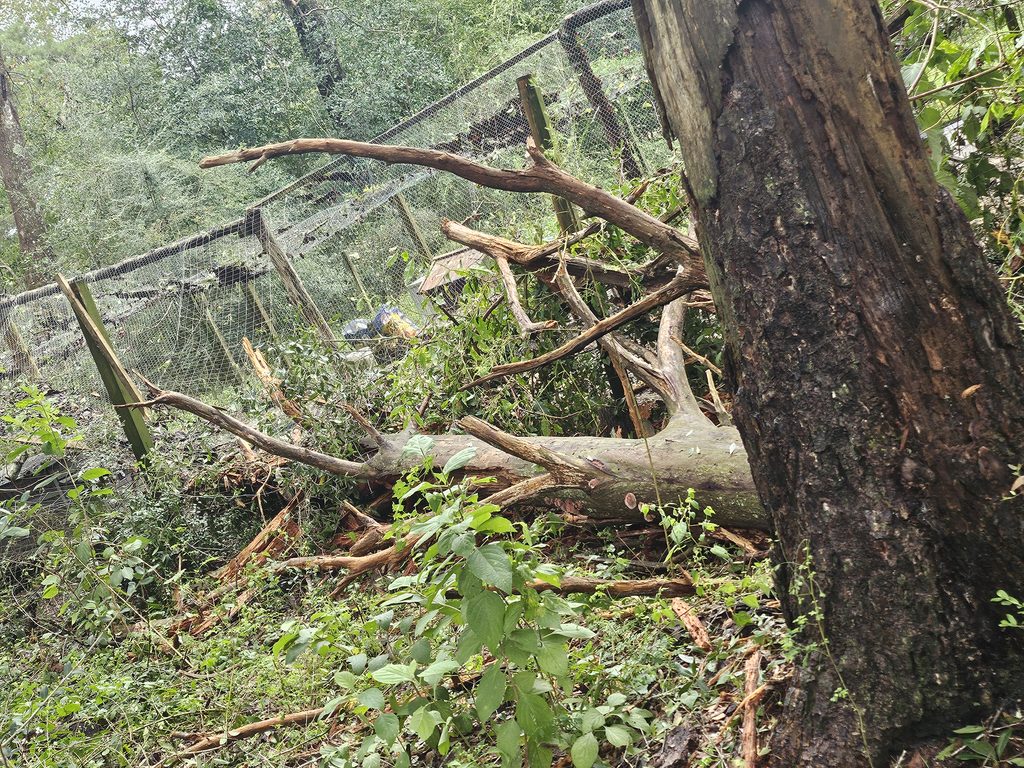
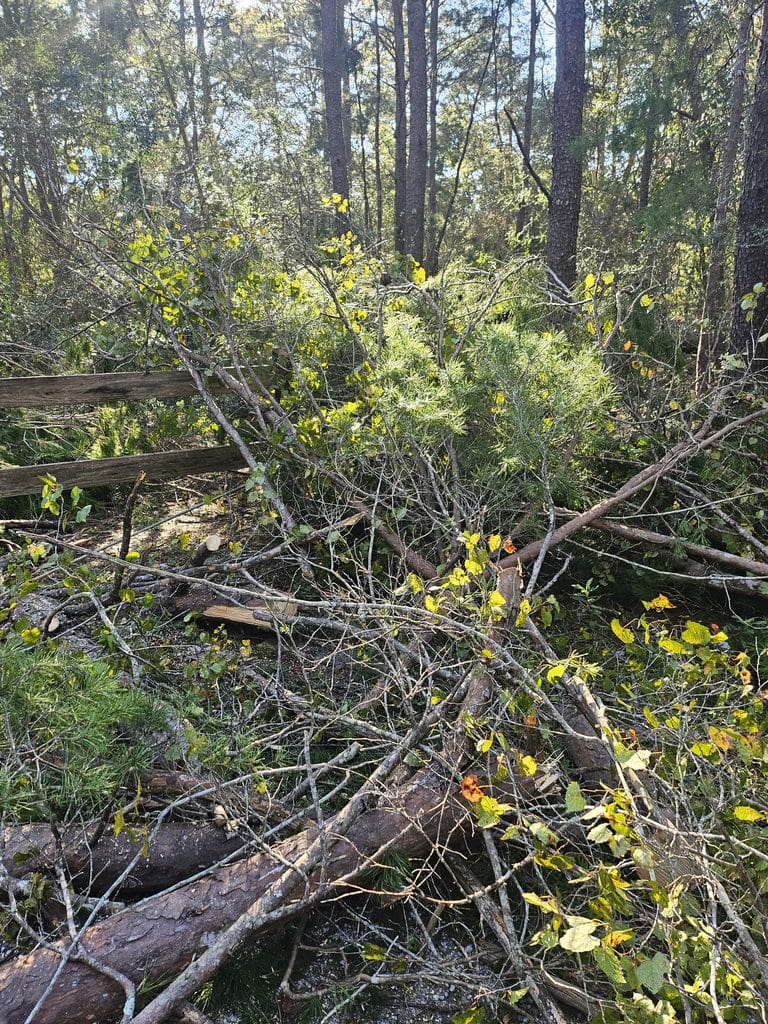
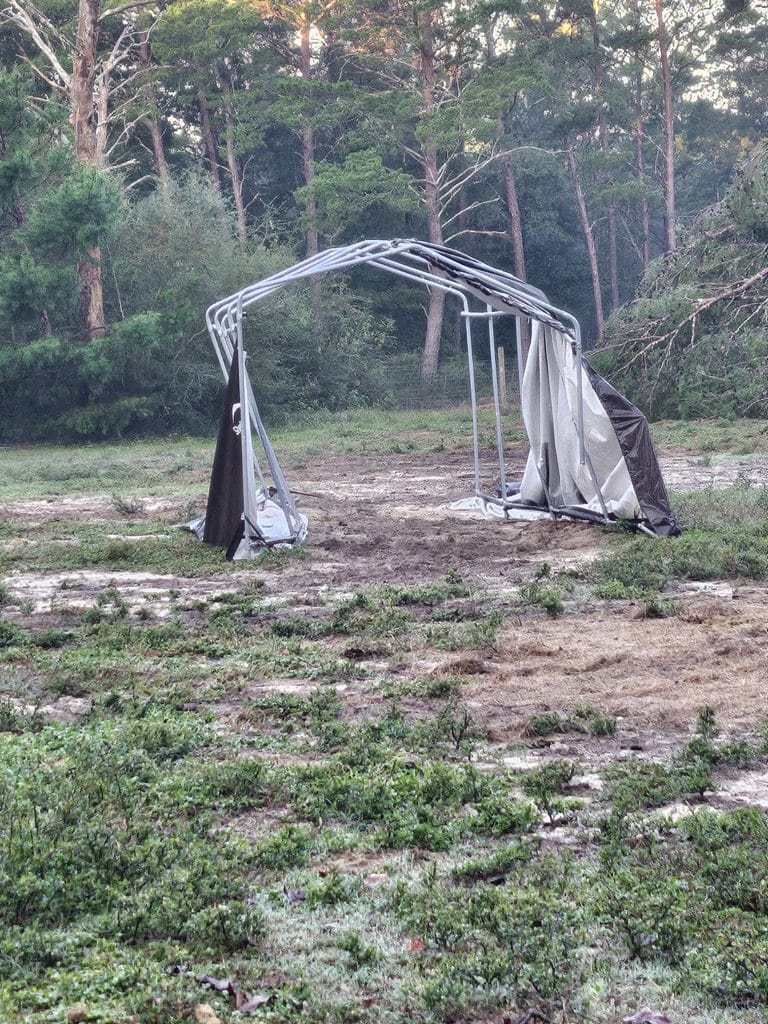
We went a few days without power. We had a lot of damage on the property. Our run-in shelters for our horses are destroyed, our pasture fencing took a beating, and our chicken run has a tree on it. Water was coming in our fireplace, and we can use our driveway.
As I write this, I’m tired, a little sore, and deeply, quietly grateful.
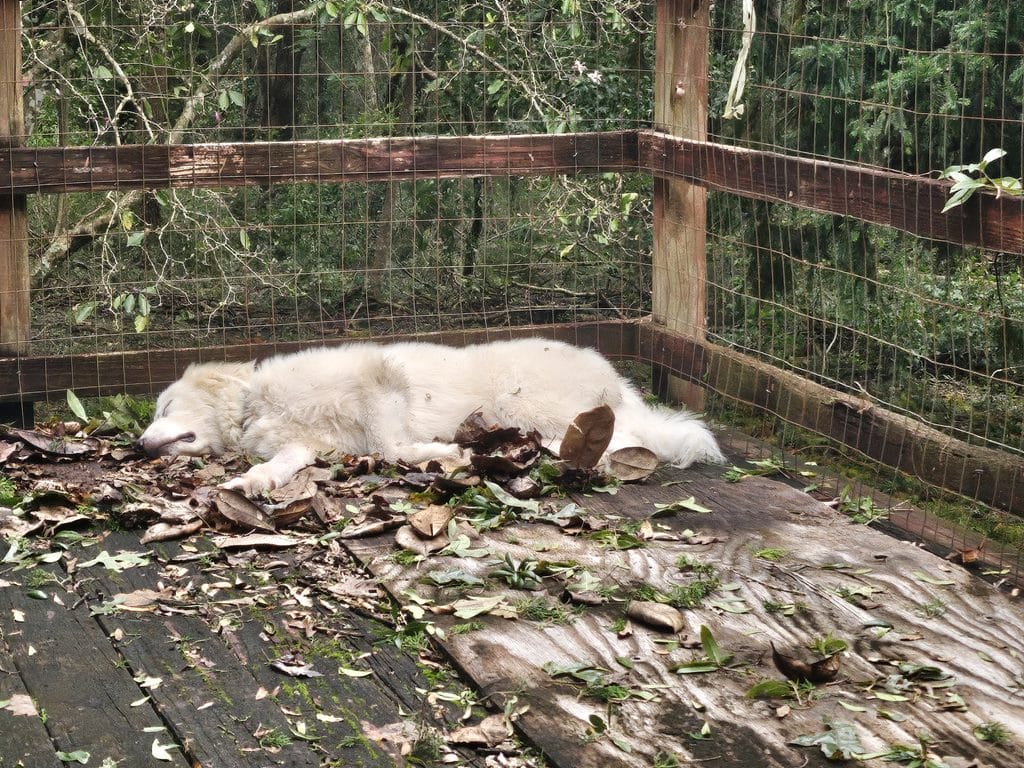
Because here’s the part that still takes my breath away: every one of our animals came through without a scratch, and our home sustained only minimal damage.
I don’t use the word miracle lightly. I’ll tell you why I’m using it now.
The Part Nobody Sees: Going It Alone
My husband is a law enforcement officer. That means that while the storm came in, and while the wind and rain did what they did, he was working. And he kept working every single day through the aftermath.
I’m so proud of him, and I also want to be honest about what that meant at home. It meant I was the one making decisions about the animals, the generator, the supplies, and the property. It meant waiting for text messages that didn’t always come right away. It meant standing in the dark, listening to the wind and hoping.
If you’re married to someone in law enforcement, the military, fire, EMS, or the medical field, you already know this feeling. When your person goes toward the emergency, you hold everything else, and you pray for their safe return.
And for a recovering Superwoman like me, that’s a dangerous setup. In the program I teach, we talk about how the Superwoman believes that strength means carrying everything alone. A crisis is exactly when she comes roaring back: I’ve got this. I’ll handle it. Don’t worry about me.
What I Noticed When I Slowed Down Enough to Look
Here’s what I’ve learned from my own life. In hard seasons, your nervous system scans for danger by default. That’s what it’s built to do. It’s very good at finding what’s wrong.
So finding miracles takes practice. It’s a deliberate choice to widen the lens.
When my dad was dying, I wrote about the surprising gift of his last fourteen months, time we had never expected to have. When the doctors said it was over, he walked out of that hospital a week later. I called it nothing less than a miracle, and it gave us time to say everything left unsaid.
I’ve since learned that miracles are rarely loud. More often they’re things like:
- The animals, all of them, safe and calm when the storm passed
- A roof that held
- A neighbor who showed up to help us clear a tree of a fence
- A husband who came home tired but safe and whole
- A cold morning when we sat on the porch with coffee and the only sound was birds
I want to be clear about something: noticing miracles doesn’t mean pretending the damage isn’t real, or that loss doesn’t hurt. Both are true. Gratitude and grief can sit at the same table.
Why Noticing Miracles is Good for You
Gratitude is more than a nice feeling. When you deliberately notice what’s going right, you give a stressed mind something solid to stand on. It doesn’t erase the fear, but it keeps fear from being the only voice in the room.
For me, this is also a spiritual practice. I believe God is present in the middle of the mess, not only after it’s cleaned up. Looking for miracles is how I look for God in the storm.
Self-Care When the Lights Are Out
When you’re in survival mode, “self-care” can sound like a joke. Here’s what I mean by it, in the plainest terms: the basics that keep you able to function.
- Water, food, and sleep come first. It’s easy to skip meals and run on adrenaline. Eat something real, drink water, and sleep when you can, even in short stretches.
- Protect your safety. Never run a generator inside your home, garage, or near windows, because carbon monoxide can be deadly. Be careful with debris, downed power lines, and heat.
- Be smart with food. In our case, we only opened the refrigerator when then generator was running. We made sure to run the generator at least every 8 hours to keep the refrigerator cold, and we didn’t create any new leftovers that could spoil.
- Limit the noise. Constant news and social media updates can keep your body in a state of alarm. Check once or twice a day for information you actually need, then put the phone down. (This is Week 10 of Level 2 in my program: neutrality on the noise.)
- Take the Steward’s Pause. When you feel yourself spiraling or pushing through on adrenaline, take one breath and ask, Is this my Superwoman reflex, or my Steward wisdom? Sometimes the answer is to keep going. Sometimes it’s to sit down.
- Ask for help, and say yes when it’s offered. This is the hardest one for many of us. Let someone bring a meal. Let a neighbor help with the debris. Asking isn’t weakness. It’s how a community works.
- Give your body a small comfort. A warm drink, a hot shower if you can, a few minutes of quiet, a prayer. Small comforts remind your nervous system that you’re safe enough. For us, our gas stove and a camp site percolator meant a hot cup of coffee.
The Recovery is a Season, Too
The storm lasts a day. The cleanup lasts weeks. Many people hit a wall after the crisis ends, when the adrenaline fades and the exhaustion finally catches up. That’s where I am today.
If that’s you, go gently. Rest is part of recovery. You don’t have to fix everything this week.
And if the storm brought up bigger feelings, like fear, grief, or the memory of past losses, that’s normal. If those feelings feel unmanageable, please reach out to a trusted friend, your faith community, or a licensed counselor. You don’t have to carry it alone.
Frequently Asked Questions
How do I take care of myself after a hurricane?
Start with the basics: sleep, water, regular meals, and physical safety. Then add connection (let others help you), limit constant news, and give yourself permission to rest. Recovery from a storm is a marathon, not a sprint.
How can I cope with a long power outage?
Plan for basic needs like water, safe food, light, and communication. Keep a simple routine, rest when you can, and stay connected with neighbors. Never run a generator indoors.
How do I find hope after a natural disaster?
Deliberately look for what went right, even small things: people who helped, things that survived, moments of calm. Gratitude doesn’t erase loss, but it gives you something steady to hold.
How can I support a spouse who works in law enforcement during a disaster?
Take care of yourself so you can be a steady presence, keep communication simple and realistic, and let others support you. When they come home, don’t expect conversation right away. Rest, a meal, and a quiet moment often matter most.
Setting the Table Again
When the power came back on, I stood in the living room for a minute and just listened to the AC cool down the house. I know that sounds small. It wasn’t.
In my work, I talk about how every table is an altar, even a table by candlelight. This week, ours was lit by a oil lamp, and the meal was simple. It still felt sacred.
So here’s what I’d say to you, if you’re in the middle of your own storm: look for the miracle, even a small one. Take care of your body. Let someone help. And remember that you were never meant to get through hard things alone.
What’s one miracle you’ve noticed lately, big or small?
If this post met you where you are, start with our free 7-Day Micro-Course. It’s a gentle first step toward staying grounded when life gets loud. Or explore The Steward Within program to learn how the 13-week Rewrite → Rewire → Retrain method can help you replace Superwoman survival mode with sustainable strength.